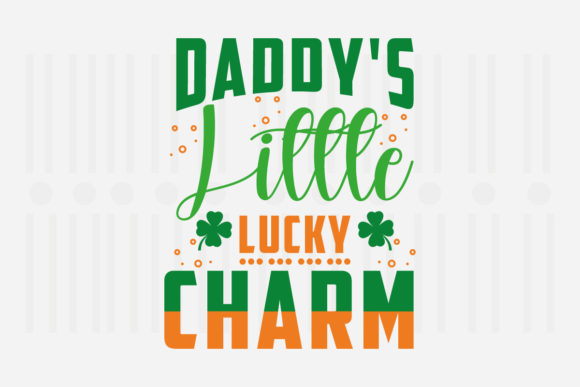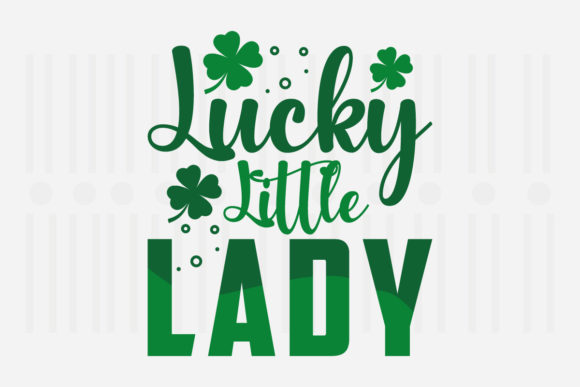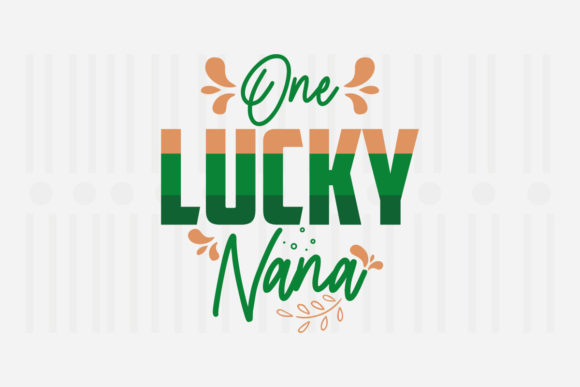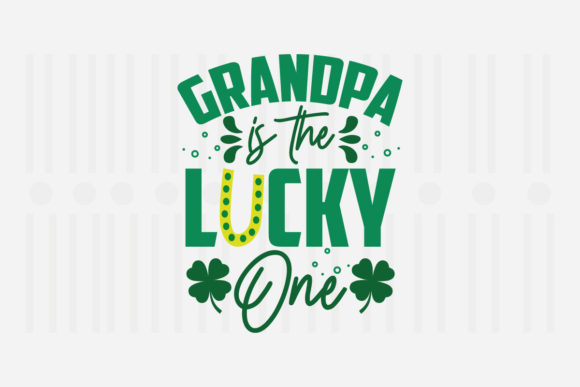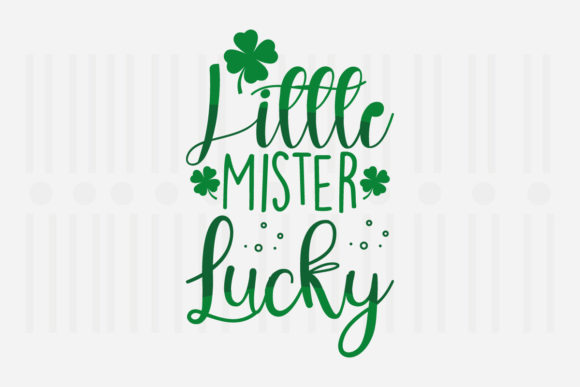
Little Mister Lucky, St. Patrick’s SVG
A Designer’s First Look: Charm with a Slight Caution
When I opened Little Mister Lucky, St. Patrick’s SVG for the first time, my instinct wasn’t to rush to the hoop—it was to pause and ask: *What story does this tell on fabric?* It’s a friendly, slightly whimsical quote-based design—think cheerful green typography with subtle Irish motifs (a clover, maybe a bow tie or top hat implied in the lettering). It lands somewhere between playful and polished—not too cutesy, not too stiff. That balance makes it ideal for small-batch craft business owners who want personality without sacrificing professionalism.
Real Project Test: Embroidering a Linen Tote for a Local Boutique
Last week, I used Little Mister Lucky, St. Patrick’s SVG to embroider a 9” x 10” linen tote bag for a spring-themed pop-up shop. The goal was handmade charm with retail-ready clarity. I chose a medium-weight cutaway stabilizer and a soft green thread against natural linen. The result? Clean satin-stitched outlines held up beautifully, and the open letterforms didn’t fill in or blur—even at 8.5” wide. Customers responded immediately: “Oh, that’s *him*—the lucky one!” That kind of instant recognition matters. It means the design reads clearly at arm’s length, which is essential for boutique merchandise, gift items, and embroidered patches meant for visibility.
Where It Shines—and Where You’ll Want to Pause
Little Mister Lucky, St. Patrick’s SVG works especially well for:
- Custom apparel: Sweatshirts, crewnecks, and relaxed-fit tees—especially when placed on the chest or left sleeve. Its moderate height-to-width ratio avoids awkward stretching on curved seams.
- Baby embroidery: On onesies or burp cloths, its rounded edges and generous spacing keep stitches from snagging or overwhelming tiny fabric surfaces.
- Holiday embroidery & personalized gifts: It’s unmistakably St. Patrick’s Day, but not so literal that it feels dated by March 18th. Great for early-spring kitchen towels, aprons, or pillow covers sold year-round in handmade shops.
- Etsy sellers and digital product creators: With its EPS/SVG source files and 100-color changeability, it’s easy to adapt for mockups, printable overlays, or layered digital bundles—no redrawing needed.
But—and this is where experience kicks in—Little Mister Lucky, St. Patrick’s SVG needs thoughtful placement on certain substrates:
- Stretchy fabric: Skip the ribbed knit cuffs or spandex-blend leggings unless you add a tear-away + cutaway hybrid stabilizer. Thin letter strokes can distort under tension.
- Textured fabrics: Heavy terry cloth or bouclé wool may obscure fine details. Stick to smoother cotton blends, linen, or midweight denim for best stitch definition.
- Curved surfaces like caps: The design’s horizontal flow isn’t optimized for front-panel cap hoops. If using it there, reduce width by 10–15% and test stitch density—tight fills can pucker.
- Dark fabric backgrounds: Since it’s built for color flexibility, avoid ultra-low-contrast combos (e.g., charcoal gray thread on black fabric) without checking your mockup in grayscale first.
Design Integrity Meets Commercial Reality
As a designer who ships embroidery files to clients and sells finished goods, I pay close attention to how a design affects perceived value. Little Mister Lucky, St. Patrick’s SVG elevates a simple tote or sweatshirt into something feel-good and intentional—not generic clip art. That emotional resonance translates directly to customer trust. Buyers of handmade products don’t just buy a phrase; they buy warmth, authenticity, and attention to detail. This design delivers that—if applied with intention.
It also supports brand consistency. Whether you’re an Etsy seller branding a line of Irish-themed nursery decor or a craft fair vendor offering personalized holiday embroidery, Little Mister Lucky, St. Patrick’s SVG holds its own next to custom-drawn assets. It doesn’t scream “digital download”—it looks like it belongs.
Practical Notes Every Embroidery Designer Should Run Through
Before stitching your first project with Little Mister Lucky, St. Patrick’s SVG, do these five things:
- Test on scrap fabric—same weight and weave as your final piece. Watch how fill stitches settle and whether thin strokes hold clean edges.
- Check thread color contrast in both daylight and indoor lighting. Green-on-green rarely reads well, even if it’s “on-brand.”
- Review stitch density. If your machine struggles with dense fills, consider simplifying inner areas manually—or use running stitch outlines instead of full satin coverage.
- Confirm hoop size compatibility. While the file scales well, going below 4” wide may sacrifice legibility in smaller lettering.
- Verify licensing before selling finished items or bundling the file commercially. As a Graphics product in the Crafts category, its permitted use depends on the creator’s terms—not assumptions.
Fitting Into Your Creative Workflow
This isn’t a “set-and-forget” embroidery file. It’s a flexible design asset—one that rewards thoughtful execution. I’ve used it as a standalone chest motif, as part of a trio of Irish-themed designs on a tea towel set, and even reversed it in white thread for a dark denim apron. Its readiness to print and ease of color change make it adaptable across mediums: machine embroidery design, applique design, or even screen-printed mockups for client presentations.
For small shop owners and creative entrepreneurs, Little Mister Lucky, St. Patrick’s SVG is less about convenience and more about confidence—the kind that comes from knowing your design communicates clearly, stitches reliably, and fits naturally into real-life making.