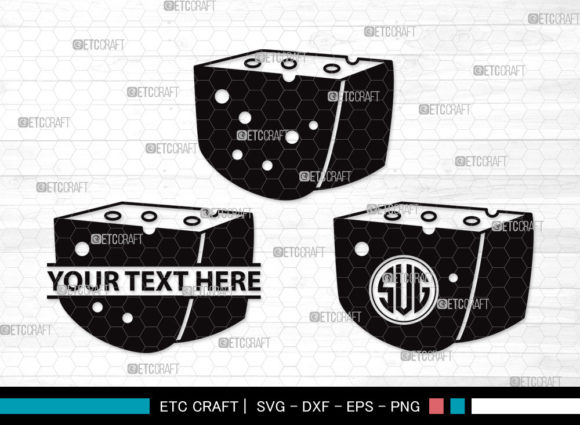
Cheese Monogram SVG Cut File
First Impressions: Playful, Personal, and Proudly Niche
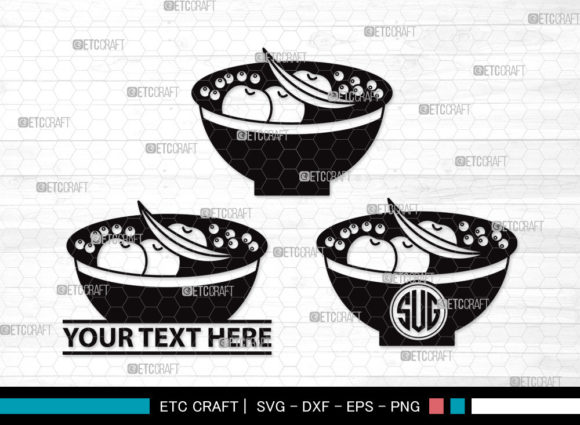
Opening the Cheese Monogram SVG Cut File, I immediately felt its personality—warm, cheeky, and intentionally specific. It’s not a generic monogram; it’s a celebration wrapped in curdled charm. The “Cheese” motif isn’t literal (no photorealistic cheddar wedges), but stylized with soft curves, friendly kerning, and a subtle nod to dairy iconography—think rounded letterforms, gentle swashes, and just enough visual wit to land with sisters, moms, and proud graduates alike. As an embroidery designer who tests hundreds of graphics yearly, I appreciate how this design balances legibility with character. It doesn’t scream “trendy”—it whispers “thoughtful.” That makes it ideal for handmade products where authenticity matters more than virality.
A Real-World Test: Embroidering a Graduation Tote for a Local Boutique
Last week, I prepped a custom order for a small-town boutique launching a “Proud Sister” graduation collection. They needed embroidered canvas totes—lightweight, durable, and gift-ready. I chose the Cheese Monogram SVG Cut File as the centerpiece because it offered emotional resonance without overcomplicating the stitch. On 10-oz natural canvas, paired with medium-weight cutaway stabilizer and matte cotton thread, the design stitched cleanly at 4.5" wide. The monogram held crisp edges on curves, and the cheese-inspired flourishes translated beautifully into satin stitch outlines—not too dense, not too sparse. Customers loved the warmth of it: no stiff fonts, no cold clipart energy. Just something that felt made *for* people, not algorithms.
Where It Shines—and Where to Pause
The Cheese Monogram SVG Cut File excels in projects where tone and texture align:
- Custom apparel: Works beautifully on crewneck sweatshirts and relaxed-fit tees—especially when placed on left chest or lower back for balanced visual weight.
- Personalized gifts: Ideal for baby embroidery (on onesies or burp cloths), nursery decor pillows, or holiday tea towels where charm > complexity.
- Small shop product: Stands out in craft fair booths or Etsy listings because it reads clearly in thumbnail previews and feels distinct from mass-market graduation SVGs.
- Embroidered patch: Clean line work and moderate detail make it highly adaptable for iron-on or sew-on patches—just confirm your digitizer preserves corner integrity during conversion.
But be mindful: this isn’t a one-size-fits-all embroidery file. On stretchy fabric like ribbed knits or thin jersey, the monogram’s rounded terminals can blur without proper stabilization. On dark fabric, avoid light thread unless you’re using underlay or topping—it’s not a high-contrast design by nature. And while it scales well down to ~3", I’d hesitate to go smaller on curved surfaces like caps—those subtle cheese-inspired curves lose definition in tight hoops.
Design Integrity Meets Commercial Practicality
What sets the Cheese Monogram SVG Cut File apart isn’t novelty—it’s consistency. As a machine embroidery design, it avoids common pitfalls: no overlapping paths that confuse cutting software, no micro-details that vanish in fill stitch, and no nested layers that complicate color changes. That translates directly to fewer re-runs, less thread waste, and smoother client handoffs. For Etsy sellers and craft business owners, that reliability builds trust—not just with machines, but with buyers expecting polished, professional finished products.
I’ve seen too many “graduation” digital embroidery files fall flat on actual garments—either oversaturated with glitter effects or so minimal they feel forgettable. This one lands in the sweet spot: distinctive enough to stand alone on a tote bag, subtle enough to layer beside a name or date, and flexible enough to adapt across mediums (applique design, heat-transfer mockups, even simple screen-printed variants).
Practical Notes Every Embroidery Designer Should Run Through
Before stitching your first Cheese Monogram SVG Cut File project, here’s what I do—and recommend you do too:
- Test on scrap fabric first—especially if using textured or loosely woven material like linen-blend tea towels.
- Check thread color contrast in both natural and artificial light; this design relies on tonal harmony, not stark contrast.
- Review stitch density if converting to embroidery format—some SVG-to-PES converters overfill open areas. Keep fill stitch breathable for wearable items.
- Confirm hoop size compatibility—the layout is horizontal and moderately wide, so verify your standard hoop accommodates it before hooping production runs.
- Inspect small details at 200% zoom: those cheese-inspired terminals should remain smooth, not pixelated or jagged.
- Test black-and-white mockups to gauge how it reads without color context—critical for printable mockups or catalog use.
- Compare light vs. dark fabric backgrounds in real-time; what reads warmly on oat-colored canvas may recede on charcoal.
- Use appropriate stabilizer: medium cutaway for knits, tear-away for stable wovens, and optional topping for napped fabrics like fleece.
- Verify licensing terms before selling finished items or bundling the file—you’ll need clarity on commercial embroidery rights and resale permissions.
Final Thought: A Design That Earns Its Place
The Cheese Monogram SVG Cut File won’t replace your foundational monogram library—but it earns a dedicated slot in your “meaningful moments” folder. It’s not flashy. It doesn’t chase trends. But for the craft business owner stitching graduation totes, the Etsy seller building a sisterhood-themed shop, or the designer sourcing Graphics that feel human-made rather than algorithm-fed, it delivers quiet confidence. In a category crowded with generic Crafts assets, this one carries intention. And in embroidery—where every stitch is visible, judged, and often gifted—that intention shows up, every time.